Travel Experience
My trip to Everest Base Camp
Everest base camp is an epitome of trekking in Nepal. For many adventurers, when they first consider a challenging Himalayan journey, Everest naturally comes in mind. Nepal has long been a premier destination for trekking enthusiasts, offering numerous established routes and many more currently being explored. Visitors often discover a wealth of trekking opportunities during their first trip to the country- yet for most Everest remains the definitive starting point.
My trip to Everest Base Camp
About This Experience
Behind the glossy postcards of Mount Everest lies a rugged trail that tests human limits. The Everest Base Camp (EBC) trek emerges not as a breezy vacation, but as a grueling mental and physical pilgrimage.
The Thrill of the Wild Elements
The adventure begins long before the first step. The 20-minute flight into Lukla's Tenzing-Hillary Airport—perched precariously on a cliffside— injects you an adrenaline rush that instantly snaps you into mountain reality.
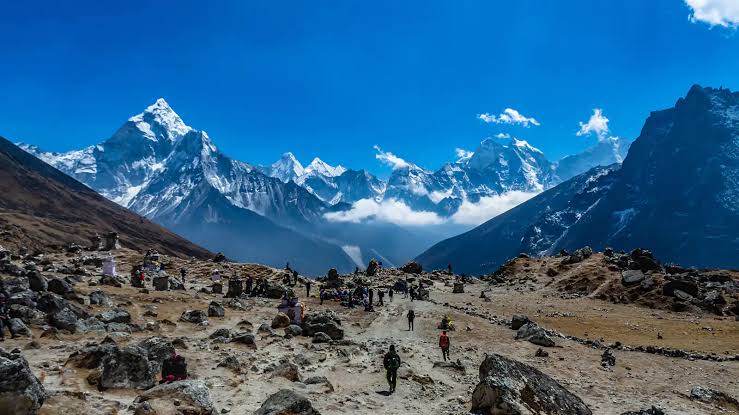
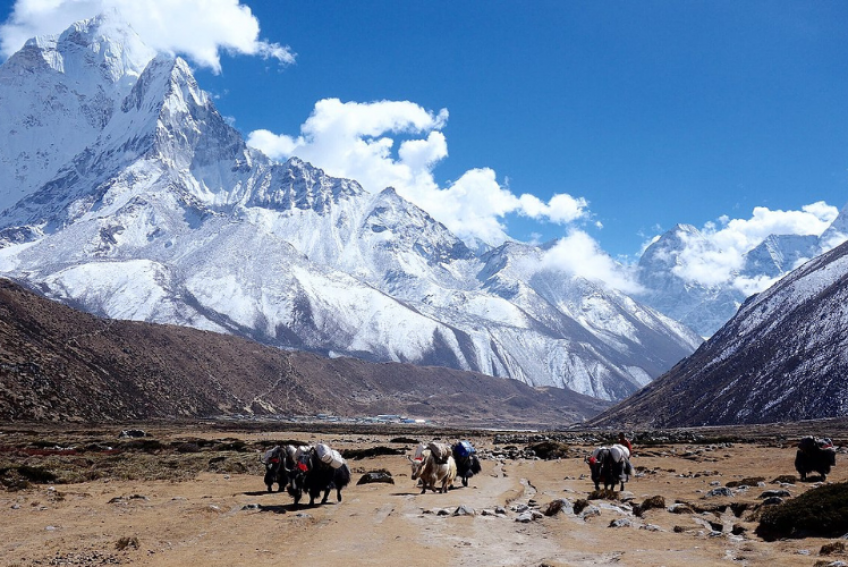
From there, the trail unfurls through the vibrant Sherpa hub of Namche Bazaar and across swaying, steel suspension bridges draped in colorful prayer flags. The landscape changes drastically; lush pine forests slowly give way to a bleak, alien, and wind-scoured alpine desert as you step past the treeline at Dingboche.
Altitude: The Great Equalizer
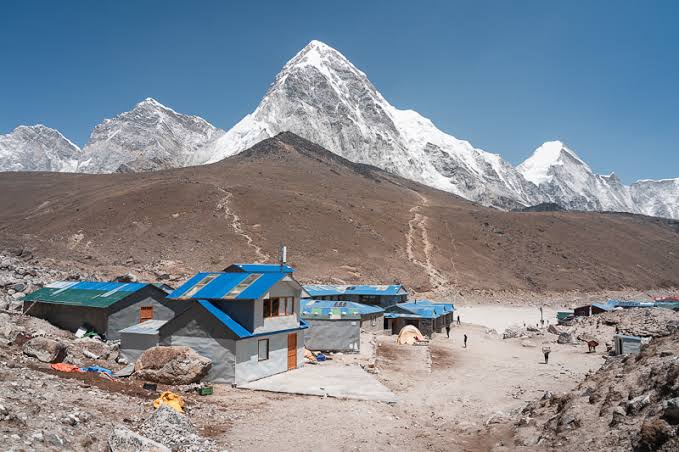
One crucial fact of the EBC trek is that it does not care how physically fit you are back home. Altitude is the ultimate equalizer. Strangely, your universe shrinks to the distance of your next slow step. The air thins, the nights plunge below freezing, and basic tasks become exhausting. Yet, this extreme vulnerability breeds a rare camaraderie. In the freezing, paper-thin teahouses of Lobuche and Gorak Shep, travelers from across the globe huddle closely around central yak-manure stoves, drinking garlic soup and sharing stories in a display of pure human connection- the recurring theme.
The Worth of the Journey
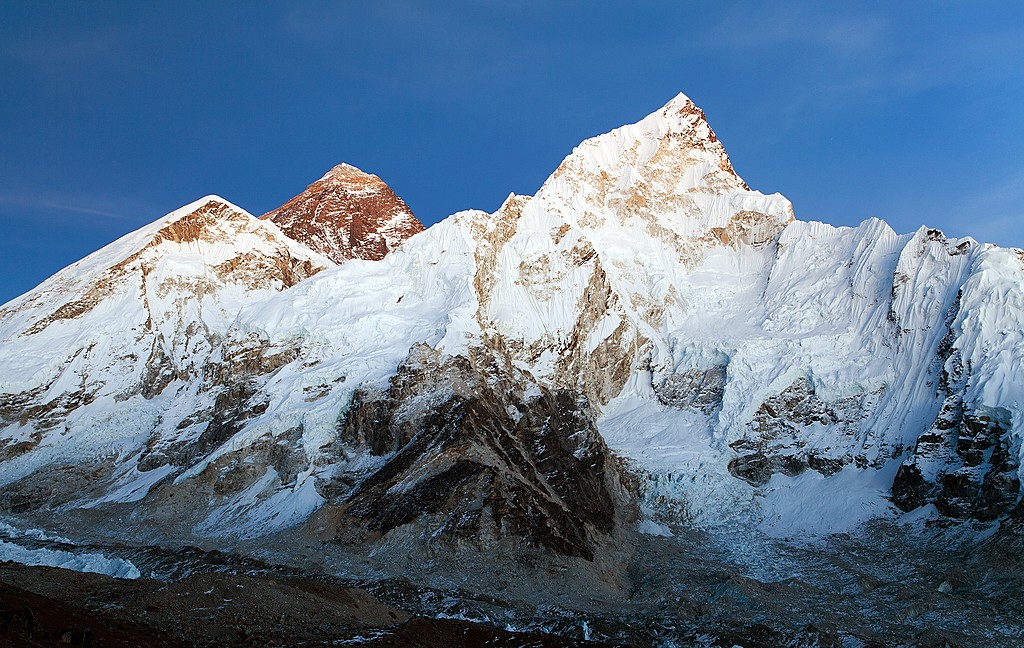
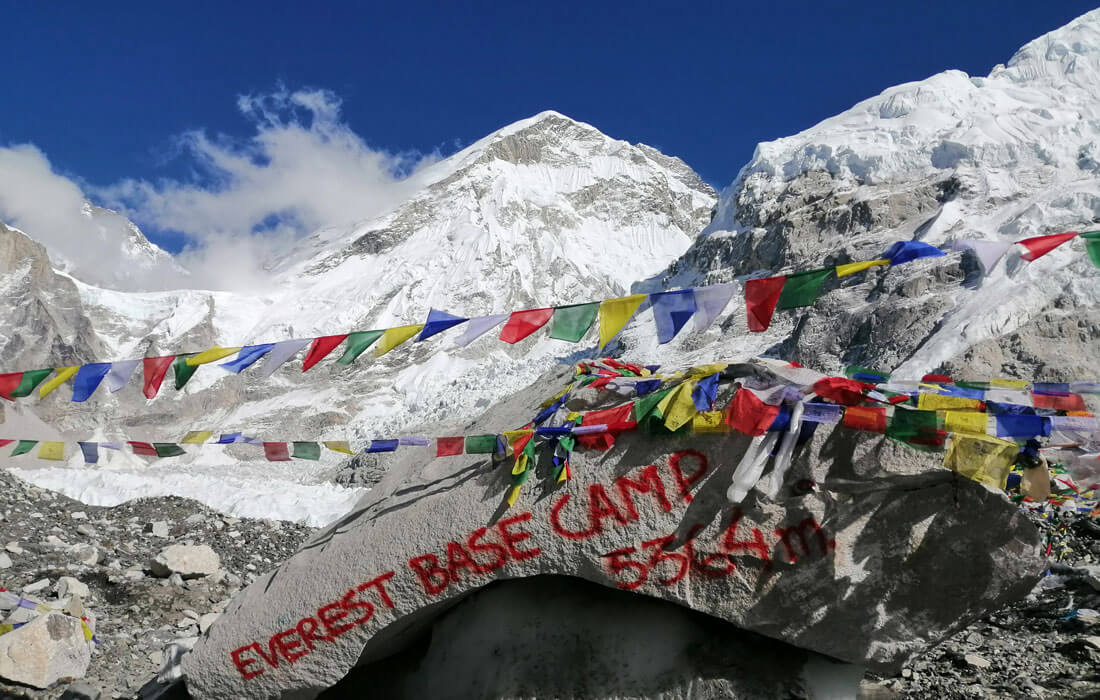
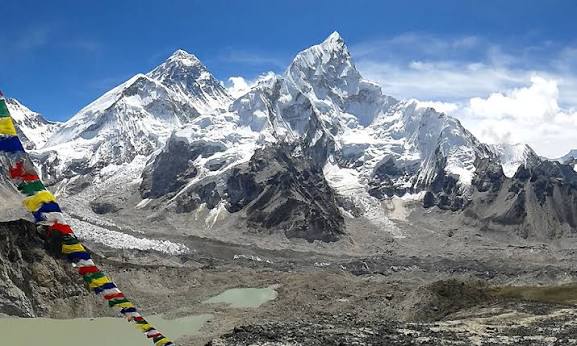
Is the final destination worth the hardship? Reaching the iconic, spray-painted Everest Base Camp rock is deeply satisfying, but the true emotional peak happens elsewhere. Instead, it is the gruelling, pre-dawn frozen scramble up Kala Patthar at 5,545 meters that steals the show. Standing there as the rising sun paints the massive, jagged pyramid of Everest and the neighboring Nuptse in shades of gold and amber is an overwhelming experience of triumph.
Finally, it is true that you will suffer from a lack of hot showers, your knees will ache from thousands of stone steps, and you will miss the comforts of home, but then, you return transformed, carrying a piece of the Himalayas permanently in your soul.
What is the best time for Everest trekking?
The earliest you can start is From late February . It gets better in March and best in April. The latest time you can enjoy is not later than mid May. Similarly, in the other part of year, it is possible to start Mid aAgust and it gets beter in September-October and best in November. The latest recommendable time is mid December. Although you can go to EBC even after that until late January but if you don’t mind upto -10 during the days and -25 during night. I went in January 10th and I had that cold experience. There were of course more trekkers I met even at time.
Experience Itinerary
Day 1 – Flight to Lukla / Trek to Phakding (2650 m)
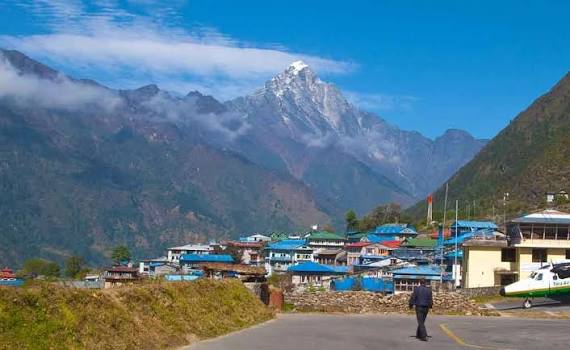
Day 2 – Phakding to Namche Bazaar (3450 m)
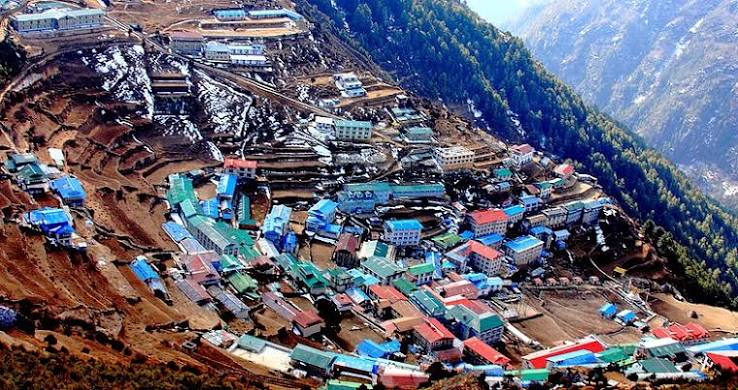
Day 3 – Acclimatization in Namche & Excursion to Everest View at Syangboche
Day 4 – Namche to Tengboche (3860 m)
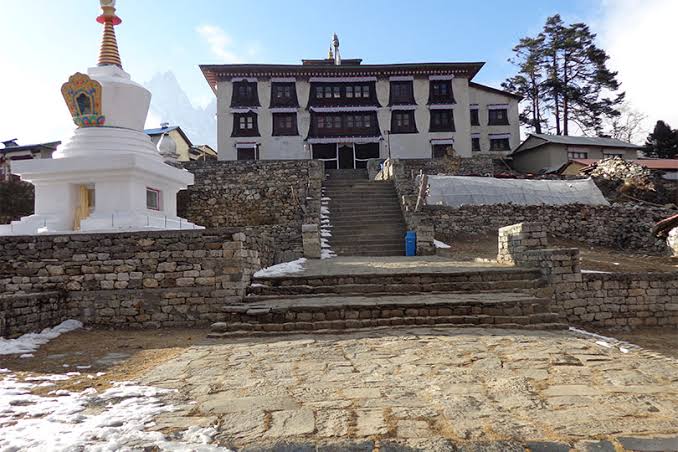
Day 5 – Tengboche to Dingboche (4345 m)
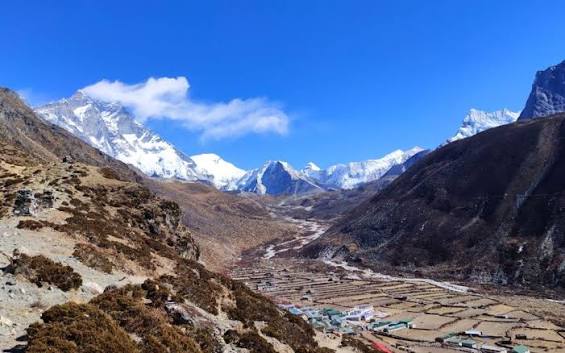
Day 6 – Acclimatization in Dingboche & Excursion to Nangkartshang Gompa
Day 7 – Dingboche to Lobuche (4930 m)
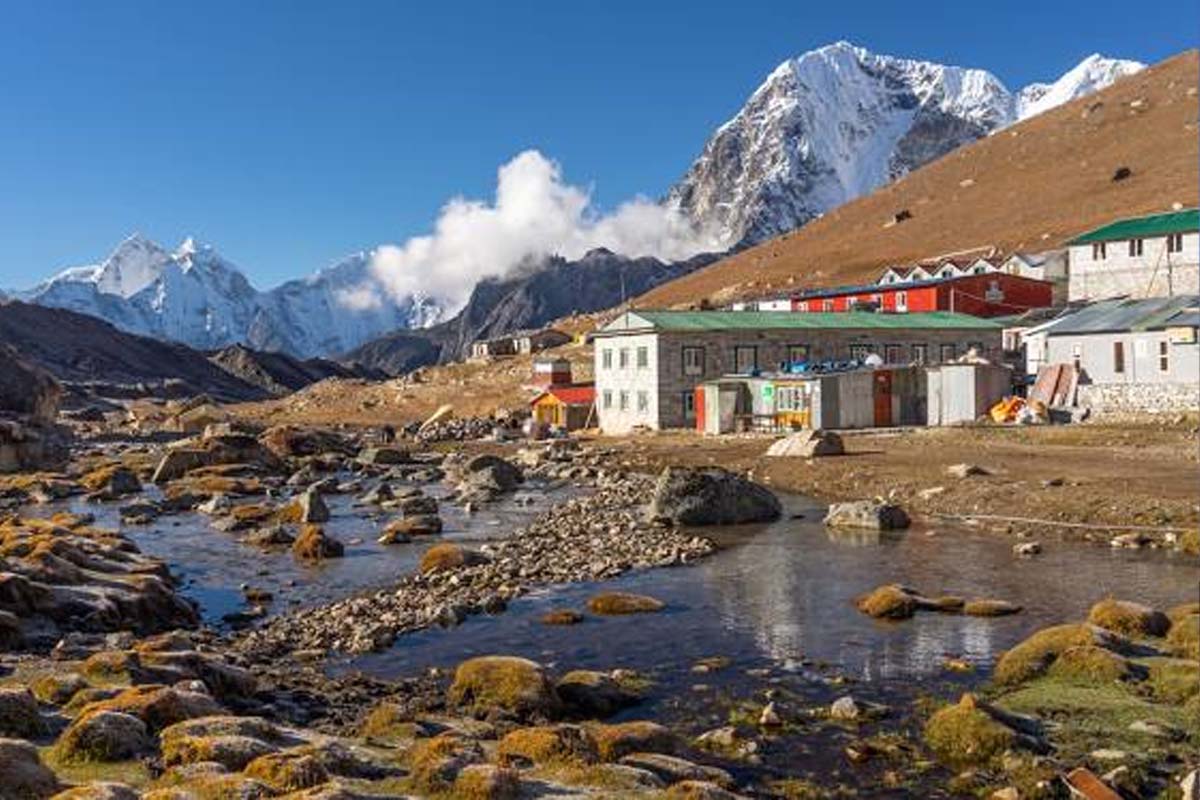
Day 8 – Lobuche to Everest Base Camp (5364 m) via Gorak Shep / Return to Gorakshep
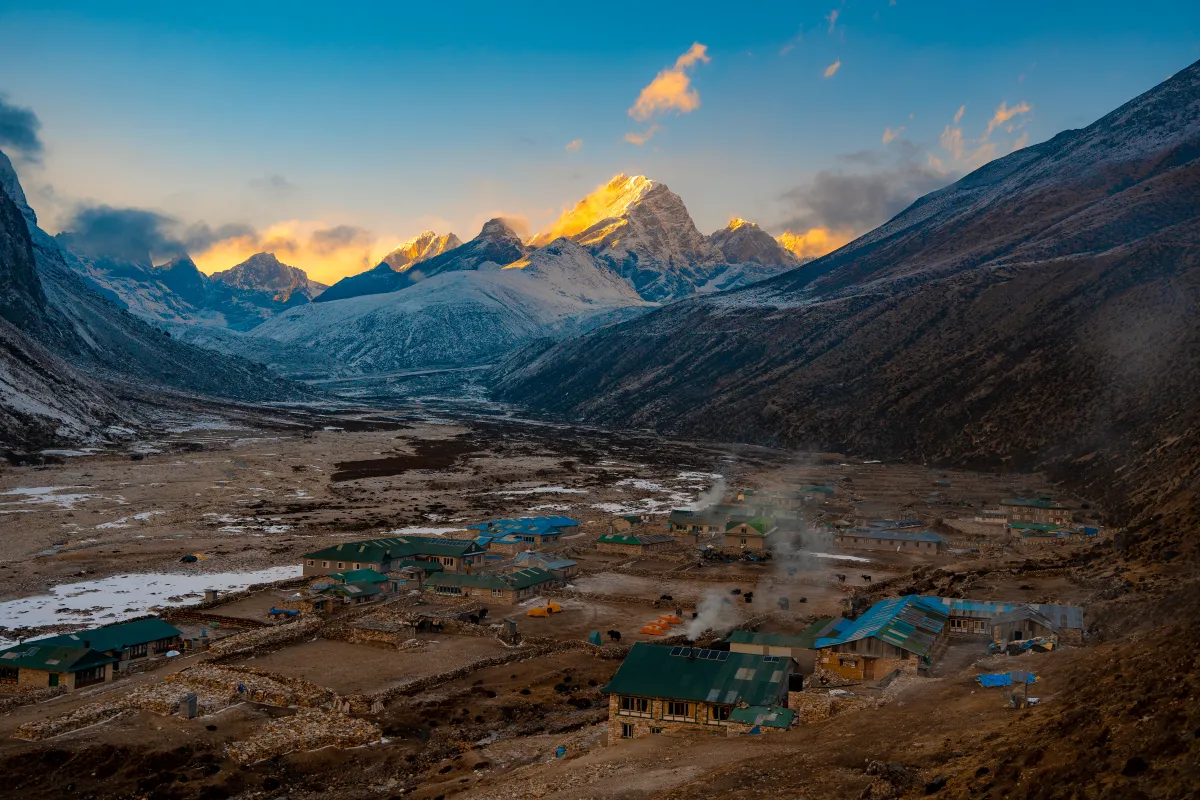
Day 9 – Gorak Shep to Kalapathar & Trek to Pheriche (4240 m)
Day 10 – Pheriche to Tengboche (3860 m)
Day 11 – Tengboche to Namche Bazaar
Day 12 – Namche to Phakdingma
Day 13 – Phakdingma to Lukla
Day 14 – Flight back to Kathmandu
Day 15 – Explore Cultural Heritage of Kathmandu
Ready to explore this experience?
Get in touch with Anjil & Manjil Travel and Tours for more information and booking assistance.
Send an Inquiry