Explore. Experience. Enjoy.
AM Travel and Tours Explore. Experience. Enjoy.

WHY YOU'LL LOVE IT

Tour highlights

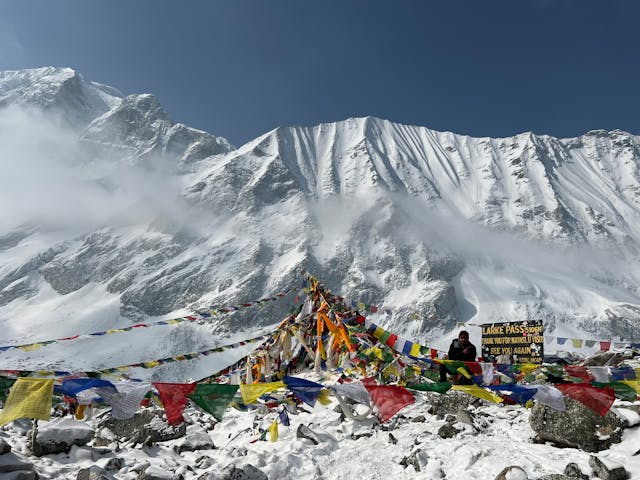
  • Crossing the Larkya La Pass at 5106m with stunning panoramas across the peaks
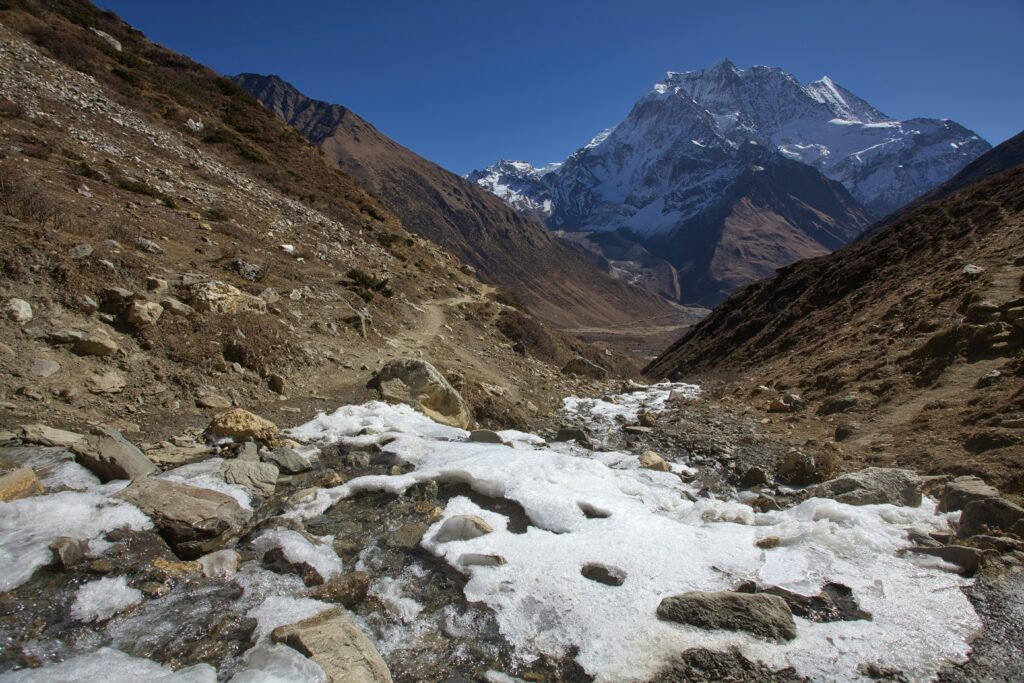
  • Trekking beside raging glacial rivers through the rugged Budhi Gandaki gorge
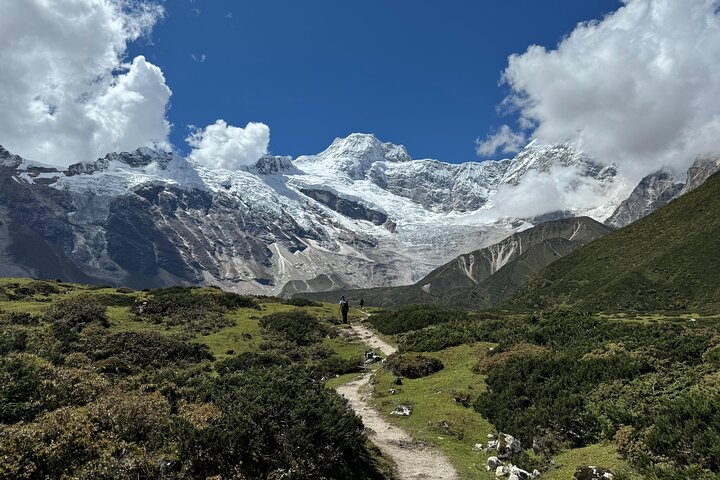
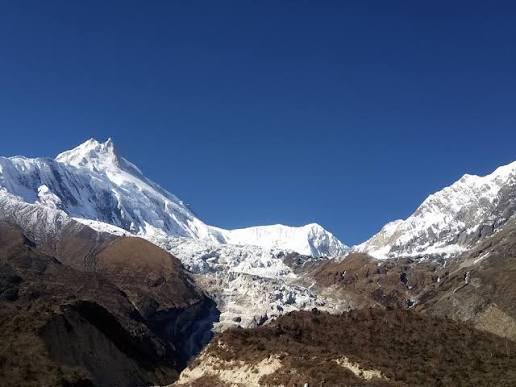
  • Stunning close-up views of Mount Manaslu and surrounding Himalayan giants
  • Exploring ancient Tibetan monasteries and remote high-altitude stone villages
  • An untamed wilderness loop adventure staying in traditional alpine teahouses

GOOD TO KNOW

Tour at a glance

Activity level

Strenuous
Transport

Bus

Group type

Private

Minimum group size

1 person

Accessibility

Not marked as accessible

Booking cutoff

48 hours

EXPLORE

Manaslu Trekking from Kathmandu 13 Days

New experience

13 days

Start time: 6:45 AM

Starting price

USD 1,186.50

Based on the lowest available group-size tier. Final pricing may depend on your group and options.

PLAN YOUR TRIP

Check tour availability

Choose your travel date and group size.

Passenger age guide

Adult: Ages 9–99 Child: Ages 3–8

Age eligibility follows this tour's passenger rules. Please contact us if you need help choosing a category.

Cancellation: Free cancellation up to 24 hours before

Enquire about this tour Enquire on WhatsApp Browse all tours

Additional Info

Pickup:
Any hotel or residential place in Kathmandu

Drop-off:
Any hotel or residential place in Kathmandu

Not suitable for: Pregnant women, people with severe knee or joint issues, individuals with chronic heart or lung diseases, unguided solo trekkers, absolute beginners with no prior hiking experience

What to bring: Valid passport with Nepal visa, passport-sized photos for permits, sturdy hiking boots, water purification tablets or filter, high-altitude down jacket, waterproof shell jacket and trousers, thermal base layers, UV-protection sunglasses, personal medical kit with Diamox, cash in Nepalese Rupees for trail expenses

Children: Allowed; charges may apply
Infants: Not allowed

About this tour

Trekking in the Manaslu region was only permitted in 1991, making it one of the newest trekking trails in Nepal. It is perfect for solitude lovers. The remote location of the trek and simpler facilities along the trail is a dream come true for a true adventurer to enjoy the Himalayas in the most natural form.

What's included

  • Hotel Pickup and drop off.
  • Transport by local bus and jeep from Kathmandu to trailhead and back.
  • Restricted area permit
  • conservation area entry permit.
  • Accommodation in lodges and teahouses during the trek
  • A knowledgeable guide who speaks English.
  • Salary
  • food
  • beverages
  • lodging
  • transportation
  • and insurance for the guide.
  • First aid kit
  • with guide.
  • All the government Tax
  • Vat
  • and service charges.

What's not included

  • All meals and personal expenses
  • Gratitude (Optional)
  • Rescue cost in case of an emergency.

YOUR JOURNEY

Itinerary

We drive via the picturesque mountaintop community of Dhading en route. The road winds through rural areas, little towns, verdant terrace farms, and beautiful hills in a combination of the black-topped and off-road, so be prepared for a dusty and uneven ride. Depending on the route used, it could take 8 to 10 hours to reach Machha Khola, your destination for the day, where you spend the night in a trekking lodge.

The trail begins at Machha Khola and travels through Thado Khola on its way to Khorla Besi. The path twists and turns on the bank of Budhi Gandaki as you walk. After hiking through picturesque villages and taking in stunning mountain views, you arrive in Tatopani, which inhabits a hot spring where you may relax for a while. We cross the Budhi Gandaki River over a suspension bridge to reach Dovan and then continue on to Lauri. A picturesque paved town called Jagat awaits you as you enter the Manaslu Conservation Area.

Today we will cross multiple suspension bridges and pass through the villages of Salleri, Sirdibas, and Ghatta Khola, decorated with Buddhist prayer flags. The trail enters a deep, barren valley after crossing the river at Eklee Bhatti and then continues through bamboo trees until it reaches Deng Khola. After crossing this river, you'll get to Deng, where you'll spend the night in a teahouse. Gather around the fireplace in the dining to warm yourself and exchange some conversation with fellow hikers.

On your way to Namrung today, you will cross Budi Gandaki several times. You will pass by historic gompas and a breathtaking mountain view along the way. At some point, you'll reach a suspension bridge from which you can observe the Budhi Gandaki squeezing under a purely natural stone arch. The trail is a bit risky as you pass by landslide areas. We have lunch at Ghap and continue our hike to Namrung. After an uneven path and a steady ascent up a spectacular stone staircase, we reach Namrung. It is an 8-hour hike in total.

You begin today's hike from Namrung by observing the simple lifestyle of the Nubri people influenced by Tibetan Buddhism as you walk past mani walls and prayer flags. The countryside trail featuring terraced fields leads to the thick forest of Rhododendrons, Oak, and Fir and then an uphill climb to Lihi and Sho. On the way, you'll meet locals in their traditional Tibetan attire. You walk on a rocky trail by the side of a hill to reach Lho, which is your destination for the day. Enjoy the excellent vistas of the Manaslu mountain from Lho.

It's an easy walk in the rhododendron and pine forest until Shyala. Shyala village is surrounded by snow-capped mountains, including Himal Chuli and Peak 29 (Ngadi Chuli) to the left, Mt. Manaslu and its glacier up ahead, and Ganesh Himal to the far right. Enjoy the view as much as you can because the mountains fade as you approach Sama Goan, surrounded by yak pastures.

To adjust well to the increasing altitude and decreasing Oxygen level in the air, we take an acclimatization day in Sama Gaon.

As the valley widens, we'll come across a few more mani walls. The spectacular mountain views along this journey will take your breath away. We descend further and cross a wooden bridge over the Budhi Gandaki before soaring upward to a spot where the river divides into two forks. We'll proceed till we reach Samdo village after passing through a stone archway.

It's a rest day again at Samdo. As a day trip, we hike up to the Tibetan border, from where you can see different mountainous parts of both Nepal and Tibet. Along the way, you can see a herd of yaks grazing in the meadows.

As you start your hike, you pass the wooden bridge and two streams while spotting the Larkya Glacier. You will continue the trek to cross the Salka Khola Valley, after which you'll get to Dharamshala, also known as Larkya La Phedi (base of Larkya La Pass). You walk past a few old-fashioned monasteries on the route.

Today's walk will be strenuous as you pass Larkya La Pass, the route's highest point at 5106 meters. We set off early in the morning on our journey. The trail leading to the summit of Larkye La Pass ascends along a steep and meandering terrain. We reach the pass summit just in time for the sunrise and witness the mindblowing Himalayan sunrise over Larkya Peak, Mt. Manaslu, Ratna Chuli, Cheo Himal, and many more snow-covered mountains. To get to Bimthang, you must descend a rocky, icy trail.

On the last hike day of your Manaslu trekking journey, you leave Bhimthang and proceed to traverse a high grassland before descending the Burdin Khola valley. You descend to a rhododendron woodland after crossing a bridge across the Dudh Khola's headwaters and continue on the trail through a little valley until you reach Karche, the highest cultivated land in this valley

On the last day, we ride a local jeep from Dharapani to Beshishar and then take a local bus to Kathmandu. It will take you a long, tiring drive of almost nine hours to return to the Kathmandu.

ELEVATION PROFILE

Altitude overview

Explore the elevations mentioned throughout this tour's itinerary. These values are extracted from itinerary text and are not a verified daily maximum or continuous elevation profile.

Elevation by itinerary day Metres (m)
5,106 m Day 11
Lowest listed elevation 5,106 m
Highest listed elevation 5,106 m

Frequently asked questions

Yes. Comprehensive travel insurance is strongly recommended for trekking in Nepal. Depending on the altitude and route, your policy should provide suitable coverage for trekking activities, medical treatment, emergency evacuation and other relevant travel risks. Check the policy terms carefully before starting your trek.

Your guide will assess the situation and help coordinate appropriate assistance. Depending on the location and severity of the problem, this may include rest, changing the itinerary, descending to a lower altitude or arranging emergency evacuation when necessary. Travel insurance with appropriate trekking and emergency coverage is strongly recommended.

Yes, many trekking itineraries can be customized according to your available time, preferred difficulty, interests, accommodation preferences and starting point. Some changes may depend on permits, transportation, accommodation availability, weather and route conditions.

Yes. Common trekking equipment such as sleeping bags, down jackets, trekking poles and other items can be rented in major trekking hubs including Kathmandu and Pokhara. Availability and rental charges vary by equipment and destination.

Mobile network and Wi-Fi availability varies significantly by trekking route and altitude. Popular trekking villages may have mobile coverage and paid Wi-Fi, while remote sections may have limited or no connectivity. Trekkers should be prepared for periods without reliable communication.

Luggage arrangements depend on the trekking package. On supported routes, porters may carry your main luggage while you carry a smaller daypack with essential personal items. Weight limits and porter arrangements vary by trek and should be confirmed before departure.

The best trekking seasons in Nepal are generally spring from March to May and autumn from September to November. These months usually offer favorable weather, clearer mountain views and comfortable trekking conditions. Some lower-altitude and rain-shadow treks can also be suitable outside these peak seasons.

Guide requirements depend on the trekking route and current regulations. Many popular trekking routes require trekkers to travel with a licensed guide or through an authorized trekking company. We arrange trekking services according to the applicable regulations and the requirements of your selected trek.

Yes, many trekking areas in Nepal require one or more permits, conservation area permits or national park entry permits. The required permits depend on your trekking route. We can arrange the applicable permits as part of the trekking service when included in your package.

A teahouse trek uses locally operated lodges or guesthouses for accommodation and meals, while a camping trek involves tents, camping equipment and a trekking support team. Teahouse trekking is common on established routes, whereas camping is often used for remote areas with limited accommodation.

Accommodation depends on the trekking route. Many popular routes offer teahouses or lodges with basic rooms and shared facilities, while some remote treks use camping arrangements. The accommodation standard varies by destination, altitude and available infrastructure.

You can reach us by phone, WhatsApp, or email. Our contact information is available on the Contact Us page.

Yes. Private trekking arrangements can be organized for individuals, couples, families and private groups, subject to route availability and applicable regulations. Private treks can provide greater flexibility for departure dates, pacing, accommodation preferences and transportation.

Yes. We can accommodate private groups, families, schools, and corporate events. Please contact us for special arrangements.

Yes. Complimentary pickup and drop-off are available from hotels within the designated service area.

Free cancellation is available up to 24 hours before the tour starts. After that, cancellation charges may apply.

Yes, winter trekking is possible on many routes, especially at lower and moderate elevations. Higher-altitude routes can be much colder and may experience snow, icy trails and difficult conditions. The suitability of winter trekking depends on the route, altitude, weather and current trail conditions.

Trekking schedules can sometimes be affected by heavy rain, snowfall, storms, landslides, flight disruptions or other unsafe conditions. Our trekking team will monitor local conditions and make reasonable adjustments when necessary to protect traveler safety. Any changes depend on the actual conditions and available alternatives.

Most tours operate in light rain. If weather conditions make the tour unsafe, we will contact you regarding rescheduling or cancellation.

Traveller reviews

0 approved reviews

No approved reviews yet for this tour.